Happy Retirement, John!

Today, we are celebrating John Heffernan, who is officially stepping into retirement after 16 years with YMC America.
John’s journey with us actually began back when we were known as Integrated Process Technologies, long before we transitioned to YMC America. Over the years, John has worn many hats, from Project Manager to Estimating Manager, Engineering Manager, and ultimately Director of Business Development.
While John excelled in every role he touched, his biggest impact lies in what he built within our estimating function. John brought an unmatched level of
structure, discipline, and execution.
John, you have impacted our company’s growth and capabilities. Thank you for 16 years of dedication and excellence.
Please join us in thanking John for his incredible service and wishing him all the very best as he trades his spreadsheets for travel guides on his next big adventure!
Related Posts
September 21, 2026
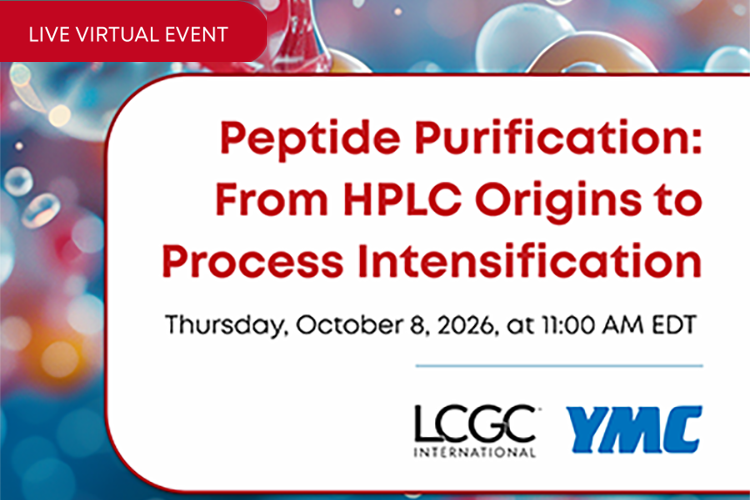
Join us for our upcoming webinar titled Peptide Purification: From HPLC Origins to Process Intensification
September 4, 2026
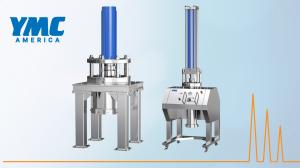
YMC America Brings U.S.-Supplied ASME U-Stamped DAC Columns to Pharmaceutical Manufacturers

September 10, 2026