Enrichment of Full AAV2 Using Multicolumn Countercurrent Solvent Gradient Purification (MCSGP)
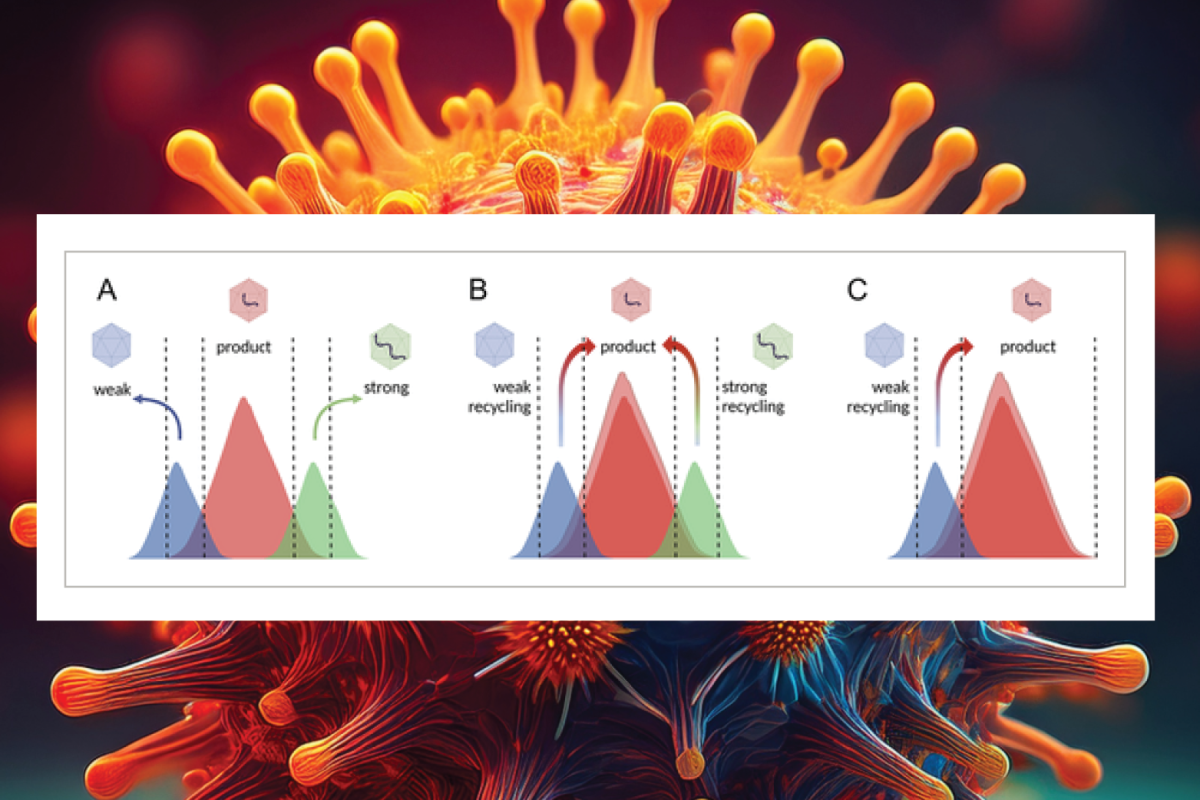
Read our latest article on enhancing Adeno-associated virus (AAV) purity for gene therapy titled Enrichment of Full AAV2 Using Multicolumn Countercurrent Solvent Gradient Purification (MCSGP). AAVs are powerful delivery vehicles, but separating full (therapeutic) from empty capsids has been a significant hurdle.
This research introduces a twin-column multicolumn countercurrent solvent gradient purification (MCSGP) process that dramatically improves the ratio of full to empty capsids. The results are impressive:
- Increased full capsid content: From 30% to 68% (ddPCR) and 27% to 61% (cryo-TEM)!
- Overcame yield-purity trade-off: Enhanced full capsid recovery while boosting purity.
- Improved productivity: Up to 23% increase compared to batch methods.
- Reduced buffer consumption: Up to 27% decrease, offering economic and environmental benefits.
This innovative MCSGP process is a game-changer for meeting the growing demand for high-quality AAV products, pushing us closer to more effective and safer gene therapies.
Read the article here: https://analyticalsciencejournals.onlinelibrary.wiley.com/doi/10.1002/bit.29036
Related Posts
September 21, 2026
Join us for our upcoming webinar titled Peptide Purification: From HPLC Origins to Process Intensification
September 4, 2026
YMC America Brings U.S.-Supplied ASME U-Stamped DAC Columns to Pharmaceutical Manufacturers
September 10, 2026