Revolutionizing CRISPR Applications: High-Resolution sgRNA Analysis
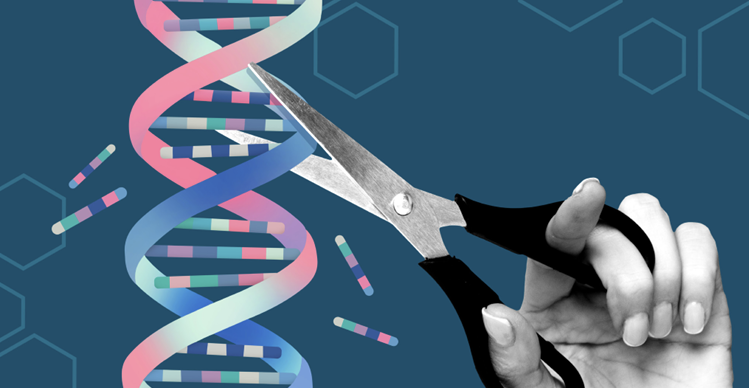
Ensuring the quality of single guide RNA (sgRNA) is a major hurdle in CRISPR-Cas genome editing. Because these molecules are large (~100mer) and prone to complex secondary structures, separating them from nearly identical impurities requires precision.
Our latest application note demonstrates how the YMC Accura Triart Bio C18 column overcomes these challenges.
Key Breakthroughs in sgRNA Analysis:
►Exceptional Resolution: Successfully separates full-length sgRNA from closely related truncation impurities, such as n-1, n-2, and n-5 species.
►Bioinert Hardware: The specialized YMC Accura hardware minimizes non-specific adsorption to metal surfaces, ensuring high recovery and zero detectable carry-over.
►Widepore Efficiency: The 30 nm (300 Å) stationary phase is optimized for large oligonucleotides, providing superior mass transfer and peak shape.
►Sensitivity: Maintains consistent resolution and reliable performance even at low concentrations (down to 0.02 mg/mL).
Whether you are monitoring sequence fidelity or assessing the purity of modified sgRNA, this method provides a robust, reproducible solution for your CRISPR workflow.
Related Posts

November 6, 2026
High-Performance Columns and Bulk Resins for Charge-Based Separations of Biomolecules
October 20, 2026
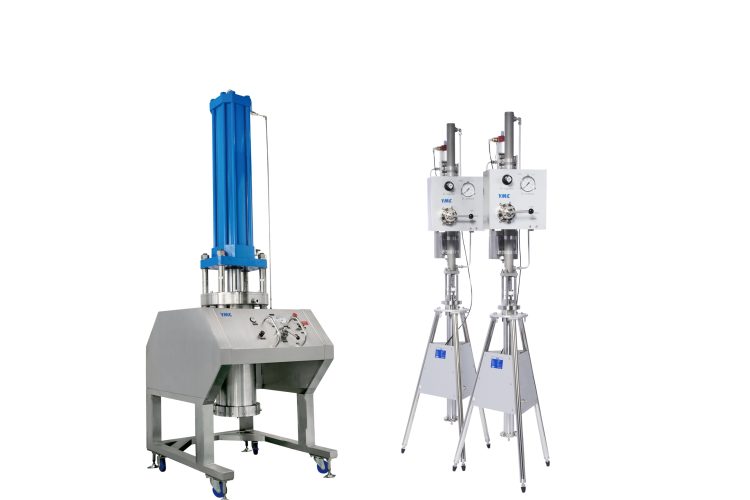
Now Available: U.S. Assembled ASME U-Stamped DAC Columns
September 21, 2026