N-Rich Technology webinar now available!
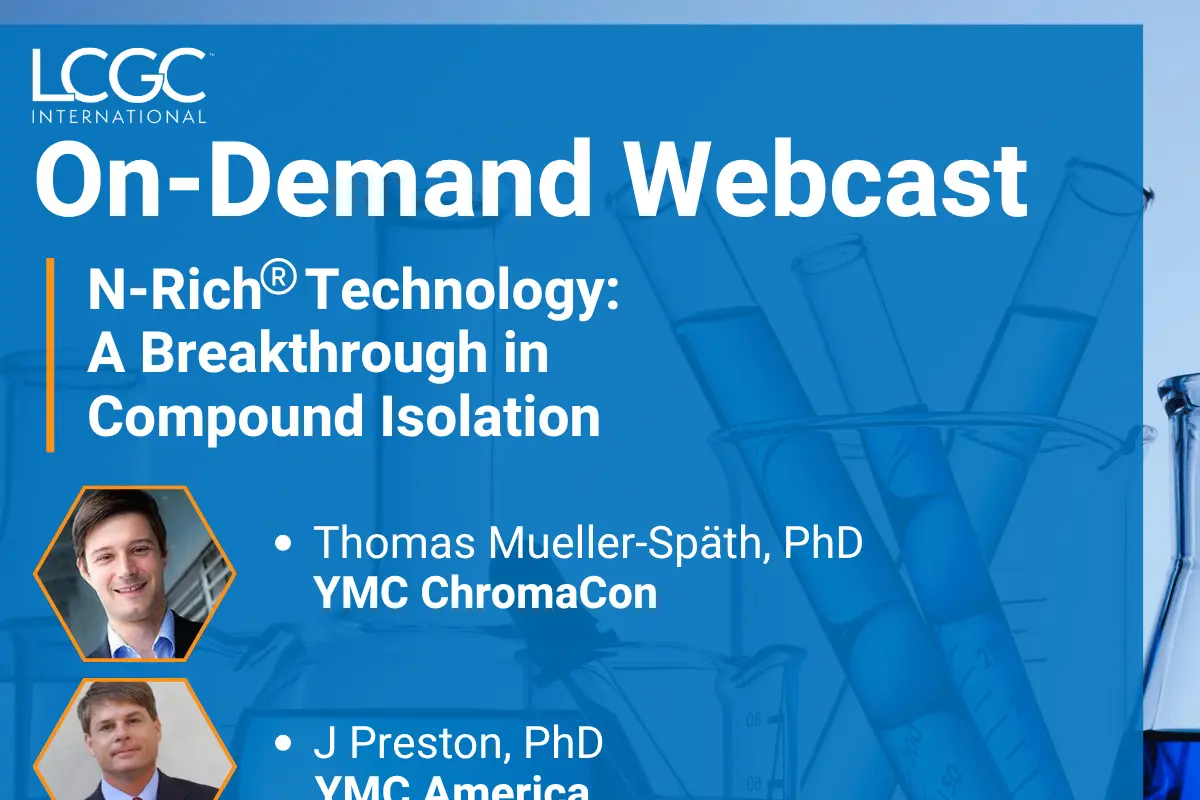
On-Demand Webcast: A Breakthrough in Compound Isolation
Purifying low-abundance or difficult-to-isolate compounds just became faster, simpler, and more efficient.
In this exclusive LCGC International webcast, sponsored by YMC ChromaCon, hashtagThomas Müller-Späth, PhD (CEO & Co-Founder, YMC ChromaCon) and hashtagJ Preston, PhD (Director of Separation Sciences, YMC America) introduce hashtagN-Rich® Technology – an innovative continuous chromatography solution designed to automate and accelerate the enrichment and isolation of target compounds.
Discover how Enrich enables:
► Up to 10x faster purification
► High-purity material (up to 95%)
► Minimal manual handling and QC requirements
From peptides and oligonucleotides to monoclonal antibodies, YMC N-Rich technology simplifies even the most complex separations – empowering scientists to streamline development, increase throughput, and scale with confidence.
Related Posts
October 20, 2026
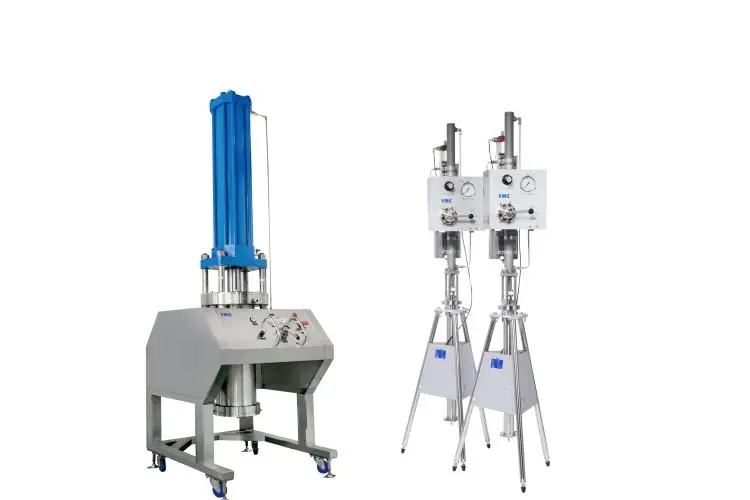
Now Available: U.S. Assembled ASME U-Stamped YMC Dynamic Axial Compression (DAC) Columns with Shorter Lead Times
September 21, 2026
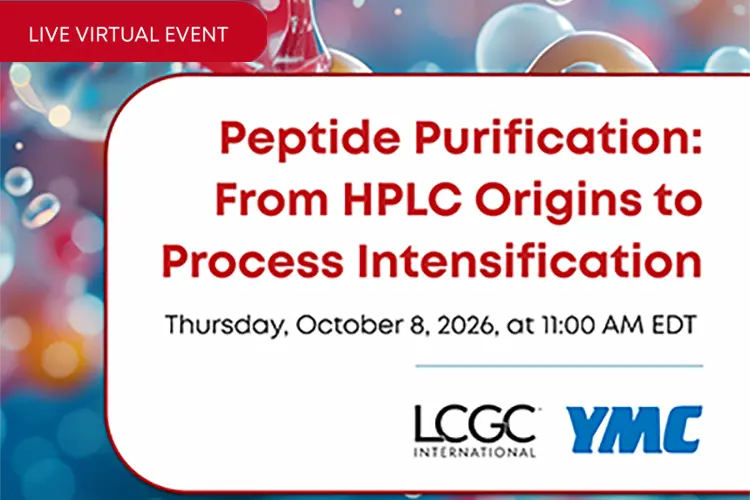
Join us for our upcoming webinar titled Peptide Purification: From HPLC Origins to Process Intensification
September 4, 2026