J Preston, PhD, to present at TIDES in San Diego, May 19-22, 2025
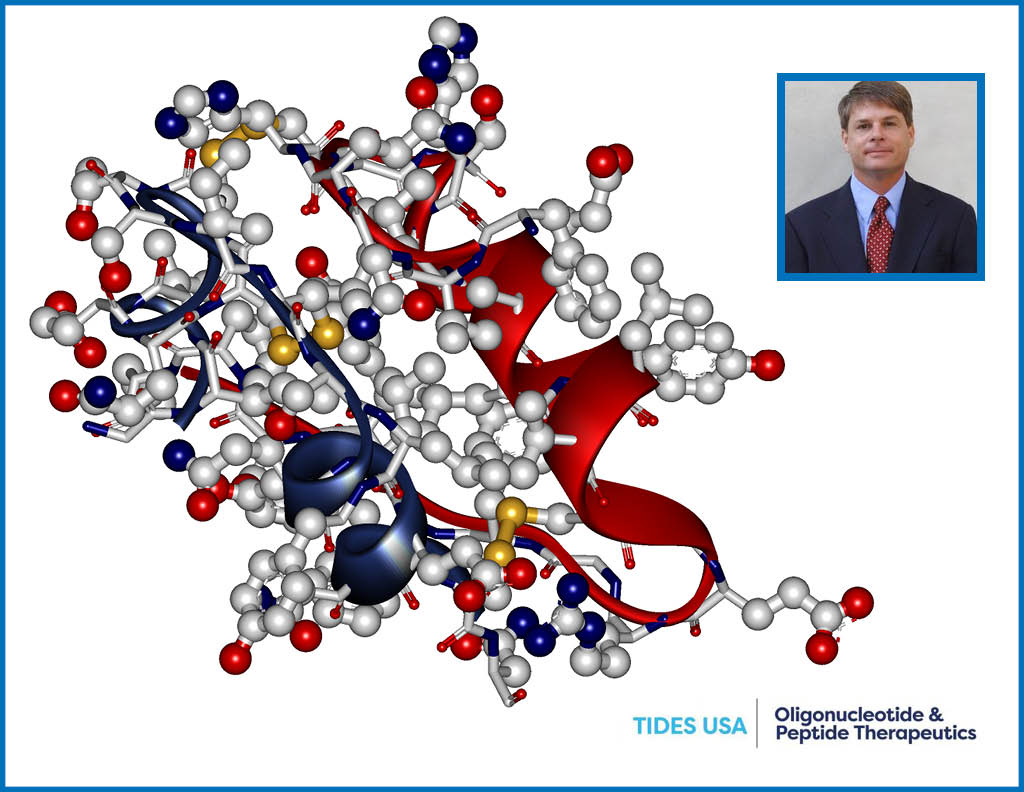
Development of a Two-Step Chromatographic Process for the Purification of a Dual GIP / GLP-1 Receptor Agonist
Marc Jacob, PhD, Takashi Sato, J Preston, PhD
GLP-1 agonists are a class of medications that mimic the natural hormone GLP-1. These medications help regulate blood sugar and promote feelings of fullness. They are primarily used to treat type 2 diabetes and can aid weight management. A dual GIP and GLP-1 receptor agonist has gained significant attention in the pharmaceutical industry as a breakthrough therapy for type 2 diabetes and obesity. The structural complexity of this peptide necessitates an advanced purification strategy to achieve optimal purity and yield. To address this, we developed a two-step chromatographic process utilizing two different YMC Triart media in preparative formats. The first purification step employes Triart Prep Bio200 C8, which effectively removed the majority of the impurities present in the initial crude, improving purity from 20% to 93%. A secondary polishing step using Triart Prep C4-S, further refined the purification, ultimately achieving 99.6% purity to meet the desired pharmaceutical-grade criteria.
This study describes column screening and method development for a two-step chromatographic purification process for a dual GIP and GLP-1 receptor agonist. The combination of a YMC Triart Prep Bio200 C8 and a Triart Prep C4-S were chosen for this purification process. The applicability of this two-step process is demonstrated by starting with low purity crude and producing material that is greater than 99.6% pure. The recovery of the first step was 58.3% and is considered good when the initial material only contained 20% of the desired component. The recovery of the second step was 71.3%. These findings reinforce the importance of method development, including the stationary phase screening and selection, for preparative chromatography of complex biopharmaceutical molecules.
Related Posts
July 16, 2026
Making Peptide Purification Green without Forfeiting Productivity.
July 8, 2026
Optimizing Liquid Chromatography for Vitamin Analysis

June 18, 2026