Breaking Down mRNA Capping Efficiency with High-Resolution IP-RP LC
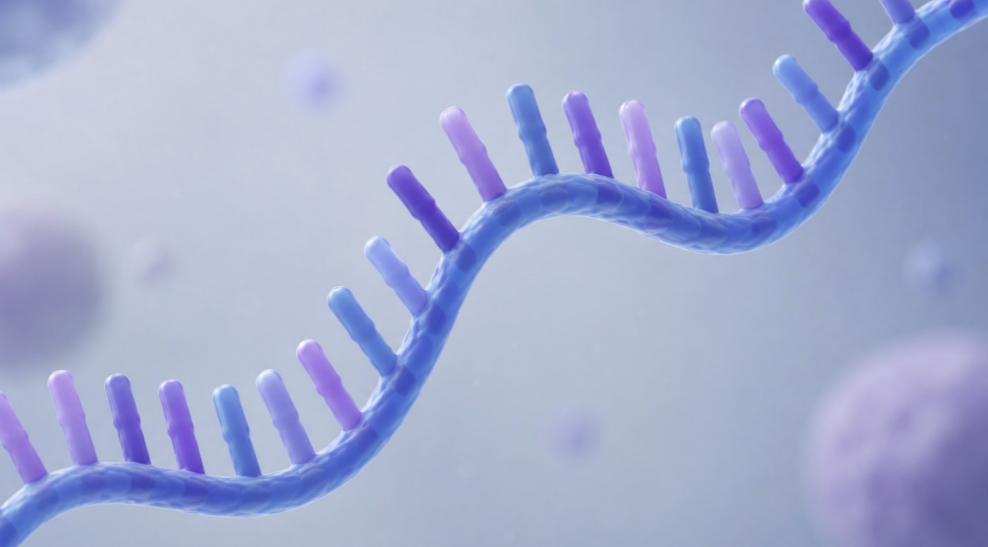
Evaluating 5′ capping efficiency is a critical quality attribute in therapeutic mRNA manufacturing, directly impacting translation efficiency and transcript stability. However, separating structurally similar capped, partially capped, and uncapped species differing by just a single nucleotide remains a significant chromatographic challenge.
Our latest Application Note highlights an optimized ion-pair reversed-phase liquid chromatography (IP-RP LC) method designed to tackle this complexity.
𝗔𝗱𝘃𝗮𝗻𝗰𝗲𝗱 𝗕𝗶𝗼𝗶𝗻𝗲𝗿𝘁 𝗛𝗮𝗿𝗱𝘄𝗮𝗿𝗲: Utilizing the widepore YMC Accura Triart Bio C18 column to eliminate unwanted secondary interactions and deliver robust, reproducible results.
𝗦𝗲𝗮𝗺𝗹𝗲𝘀𝘀 𝗟𝗖-𝗠𝗦 𝗜𝗻𝘁𝗲𝗴𝗿𝗮𝘁𝗶𝗼𝗻: Successfully applied to LC-MS workflows using mass-extracted ion chromatograms (MICs) to definitively differentiate between Cap-0, Cap-1, and critical uncapped impurities.
Read the complete application data or reach out to our team to learn how to optimize your oligonucleotide and mRNA separations!
Related Posts
September 21, 2026
Join us for our upcoming webinar titled Peptide Purification: From HPLC Origins to Process Intensification
September 4, 2026
YMC America Brings U.S.-Supplied ASME U-Stamped DAC Columns to Pharmaceutical Manufacturers
September 10, 2026