Mid Year Update
Since we are not quite at the midpoint of 2020, let’s take the opportunity to refocus on a few of YMC’s latest whitepapers and app notes.
YMC for Biologics — Published with the help of Chemical & Engineering News, this whitepaper focuses on the analysis and purification of Biologics.
Hybrid Silica Advantages — This whitepaper appeared in LCGC Magazine. In it, we explore how hybrid silica can help to make HPLC method development a little easier.
CBD and Melatonin Analysis & CBD Purification — CBD continues to be of high interest to many of our customers for its potential uses and benefits. YMC can help at any scale, from method development through industrial scale production.
Those who are interested in learning more can contact us directly at info@ymcamerica.com. We’re also accepting orders for all HPLC and UHPLC columns, including Triart C-18, Triart Bio C4, and more. Don’t hesitate to contact us today with any questions.
Related Posts
September 21, 2026
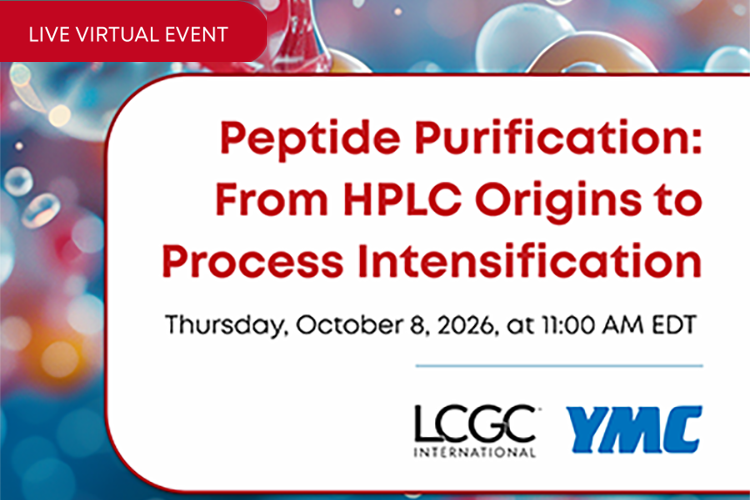
Join us for our upcoming webinar titled Peptide Purification: From HPLC Origins to Process Intensification
September 4, 2026
YMC America Brings U.S.-Supplied ASME U-Stamped DAC Columns to Pharmaceutical Manufacturers
September 10, 2026