One YMC
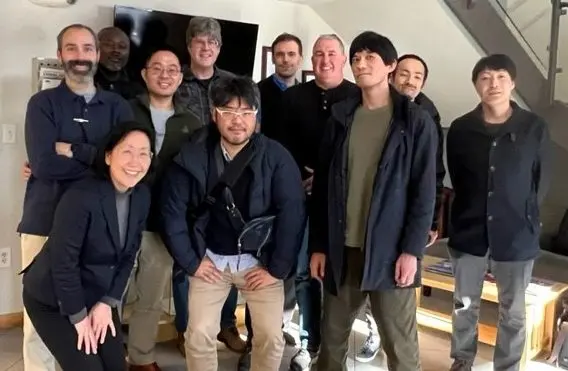
YMC America recently hosted colleagues from Japan for a two-week training on YMC’s patented process scale Contichrom TWIN MCSGP technology to support the growing demand in Asia. We may live on different continents, but we are one YMC family!
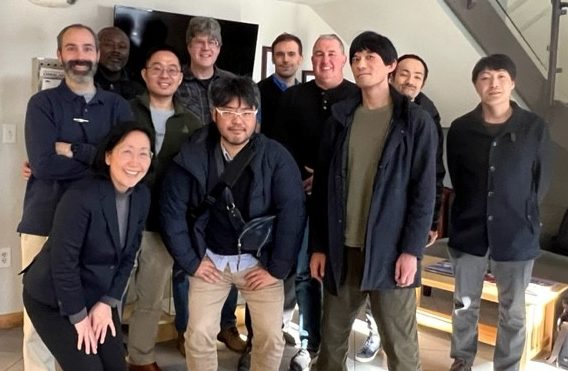
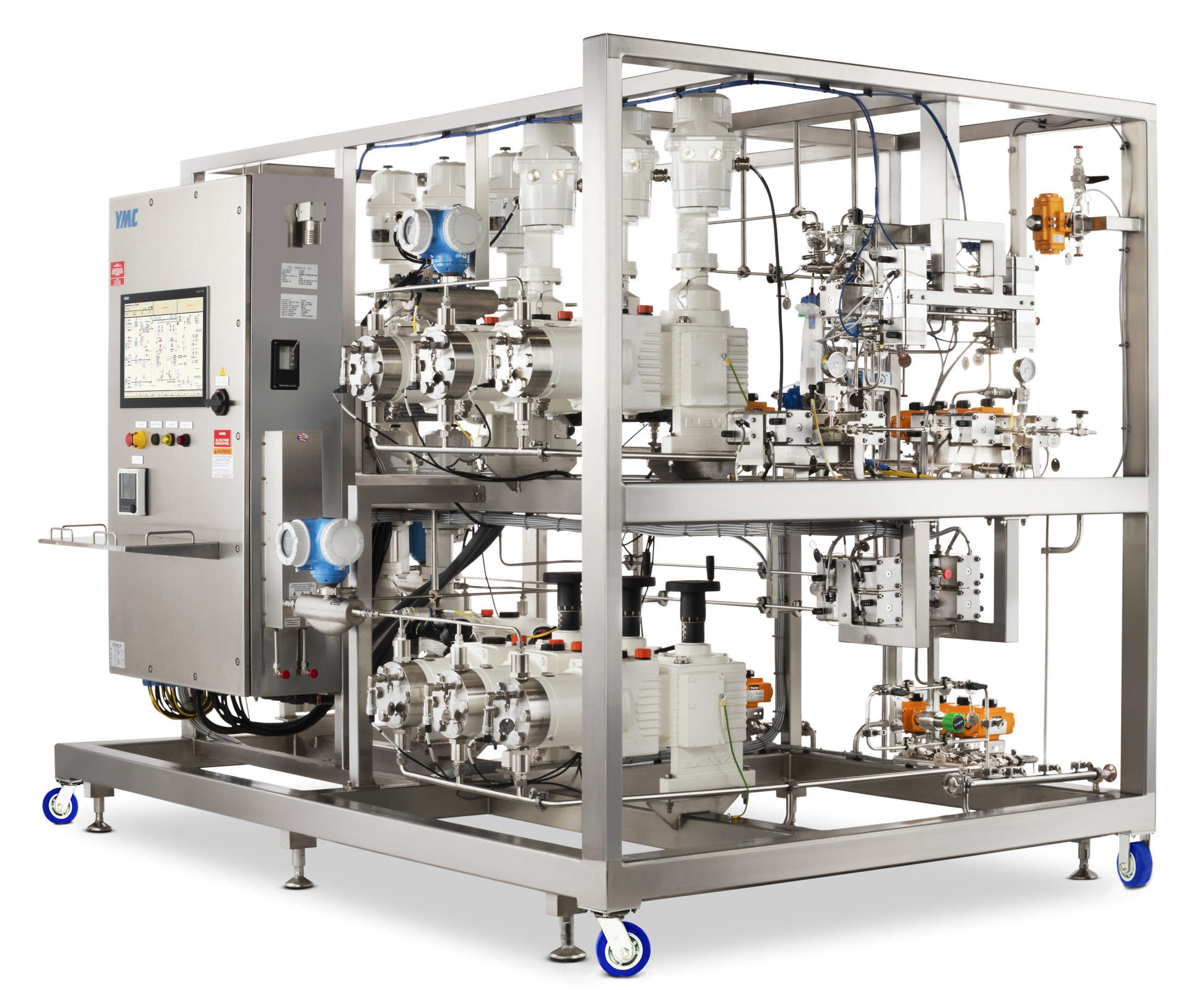
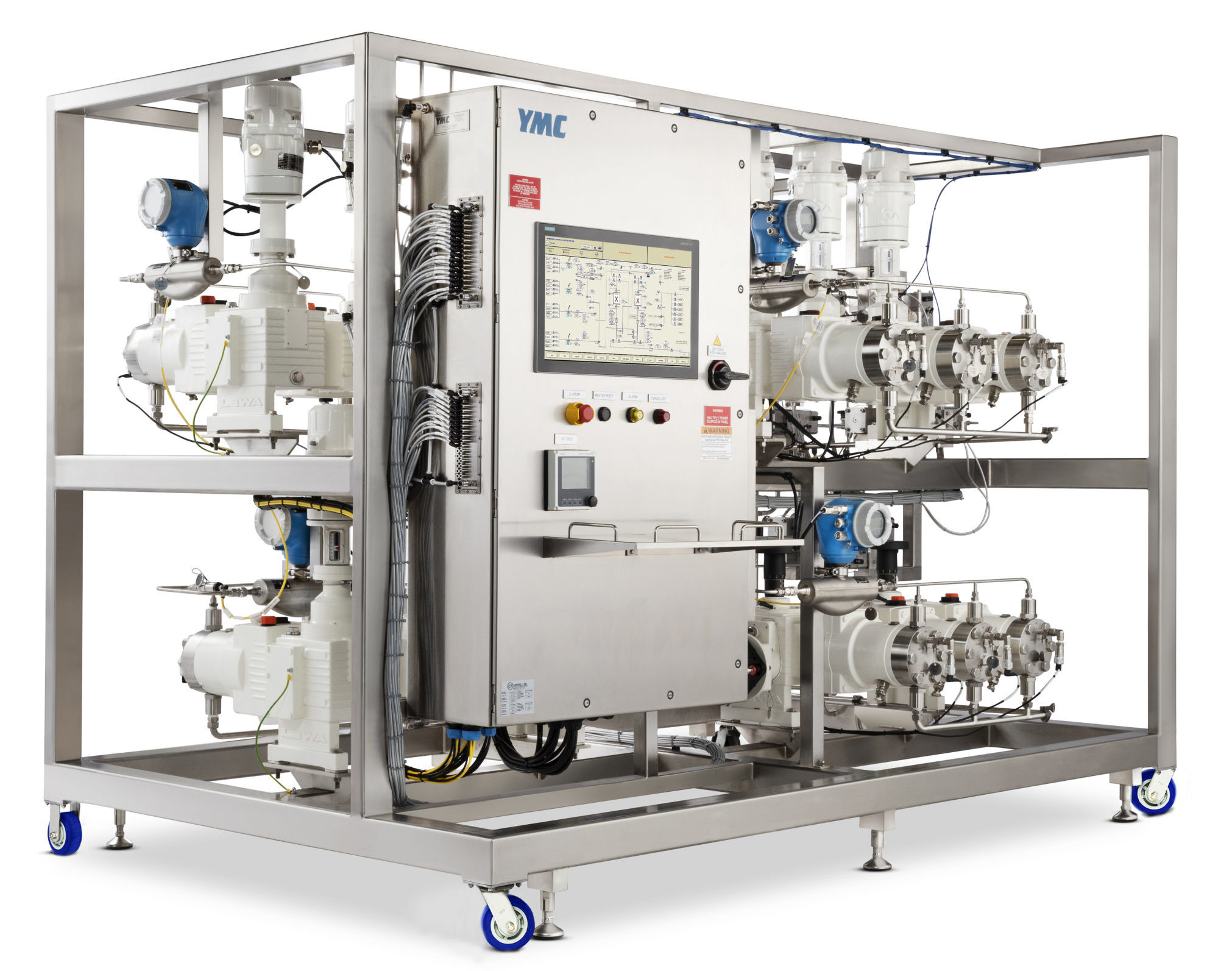
YMC strives to provide high quality products and support to all of our customers around the world. The training completed by our colleagues will ensure that every system like the one shown below can be supported with YMC care and expertise. This custom-designed Contichrom TWIN 500 MCSGP HPLC recently left our production facility in Devens, MA, USA, headed for its new home!
Related Posts
September 21, 2026
Join us for our upcoming webinar titled Peptide Purification: From HPLC Origins to Process Intensification
This presentation explores the evolution of peptide purification, from the early days of reversed-phase HPLC to today’s large-scale manufacturing challenges. It covers practical strategies for preparative method development, stationary phase selection, and efficient scale-up, illustrated by a case study on tirzepatide purification. The session also introduces continuous chromatography using MCSGP technology and highlights its potential for process intensification in modern peptide manufacturing.

September 4, 2026
YMC America Brings U.S.-Supplied ASME U-Stamped DAC Columns to Pharmaceutical Manufacturers
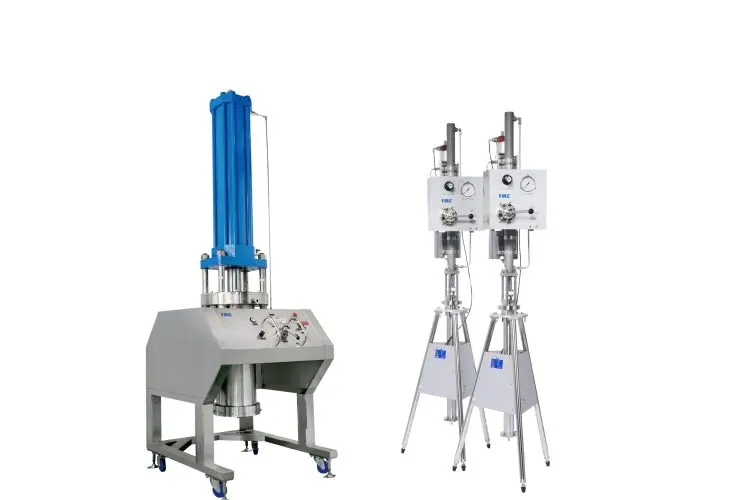
YMC America will be the First U.S.-Based Supplier of ASME U-Stamped DAC Columns.
The company’s DAC columns support pharmaceutical and biopharmaceutical customers from process development through commercial production. Systems are used in laboratory, pilot, and production-scale chromatography applications, including purification processes for peptides, oligonucleotides, and small-molecule APIs.

September 10, 2026
Analytical Technologies for Therapeutic Peptides
Therapeutic peptides are an emerging class of active pharmaceutical ingredients that, together with other classes of bioproducts, have been attracting considerable attention due to their unique advantages. Their structure is based on well-defined amino acid sequences that may or may not contain structural modifications, resulting in molecules that generally range from 500 to 5000 Da. Currently, many examples can be used as medicines related to hormones, growth factors, neurotransmitters, among others.